Internet Horror: The Evolution of a Digital Nightmare
The digital age has birthed a unique genre of horror that thrives in the shadows of forums, video platforms, chat rooms, and social media. Known collectively as Internet Horror, it taps into our fear of the unknown, blending user-generated stories, viral content, and alternate reality games (ARGs) to create hauntingly immersive experiences. Unlike traditional horror, its roots are tangled in collaborative myth-making, anonymity, and the shifting architecture of the web itself.
🕷️ Origins: The Rise of Creepypasta
The term creepypasta—a portmanteau of “creepy” and “copypasta”—emerged in the mid-2000s on sites like 4chan and Something Awful. Users would copy and paste short horror stories and urban legends, often written in the first person, to share eerie accounts that blurred the line between fiction and reality.
Notable examples:
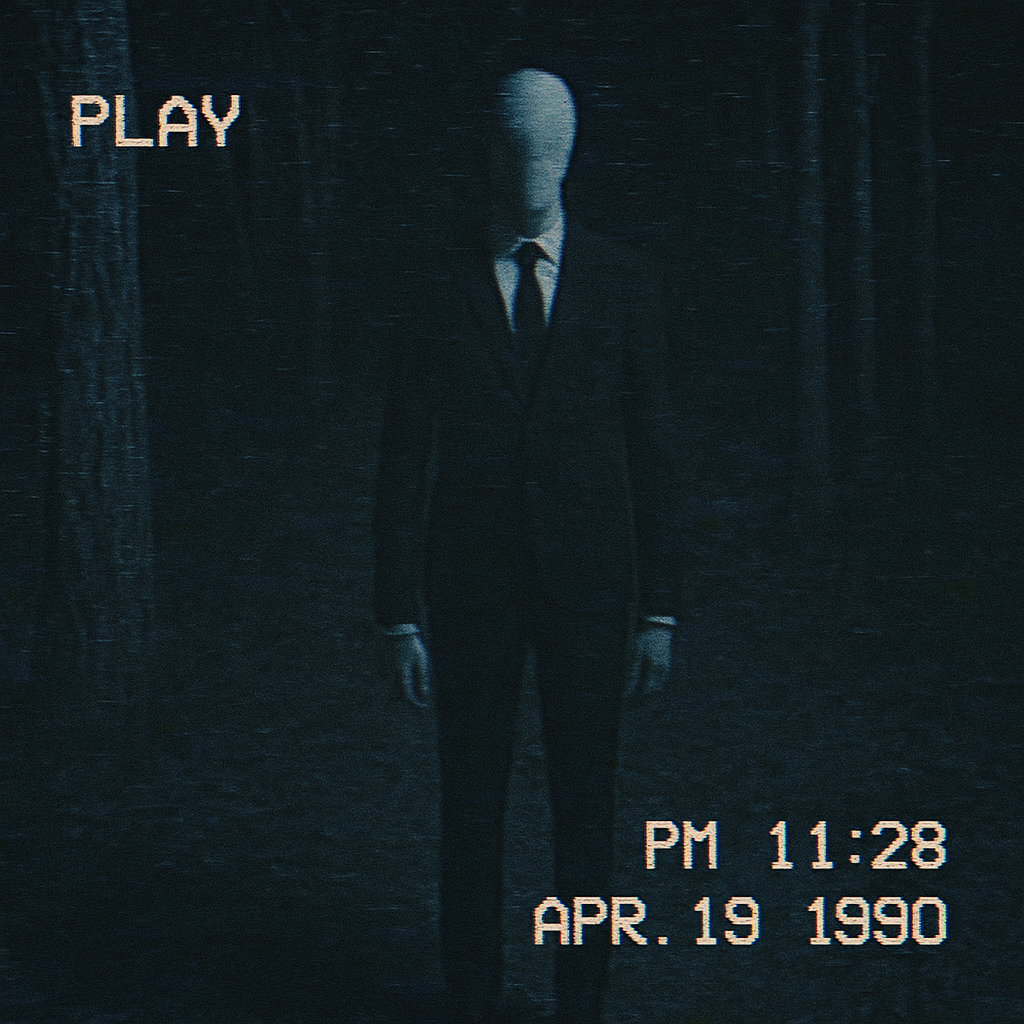
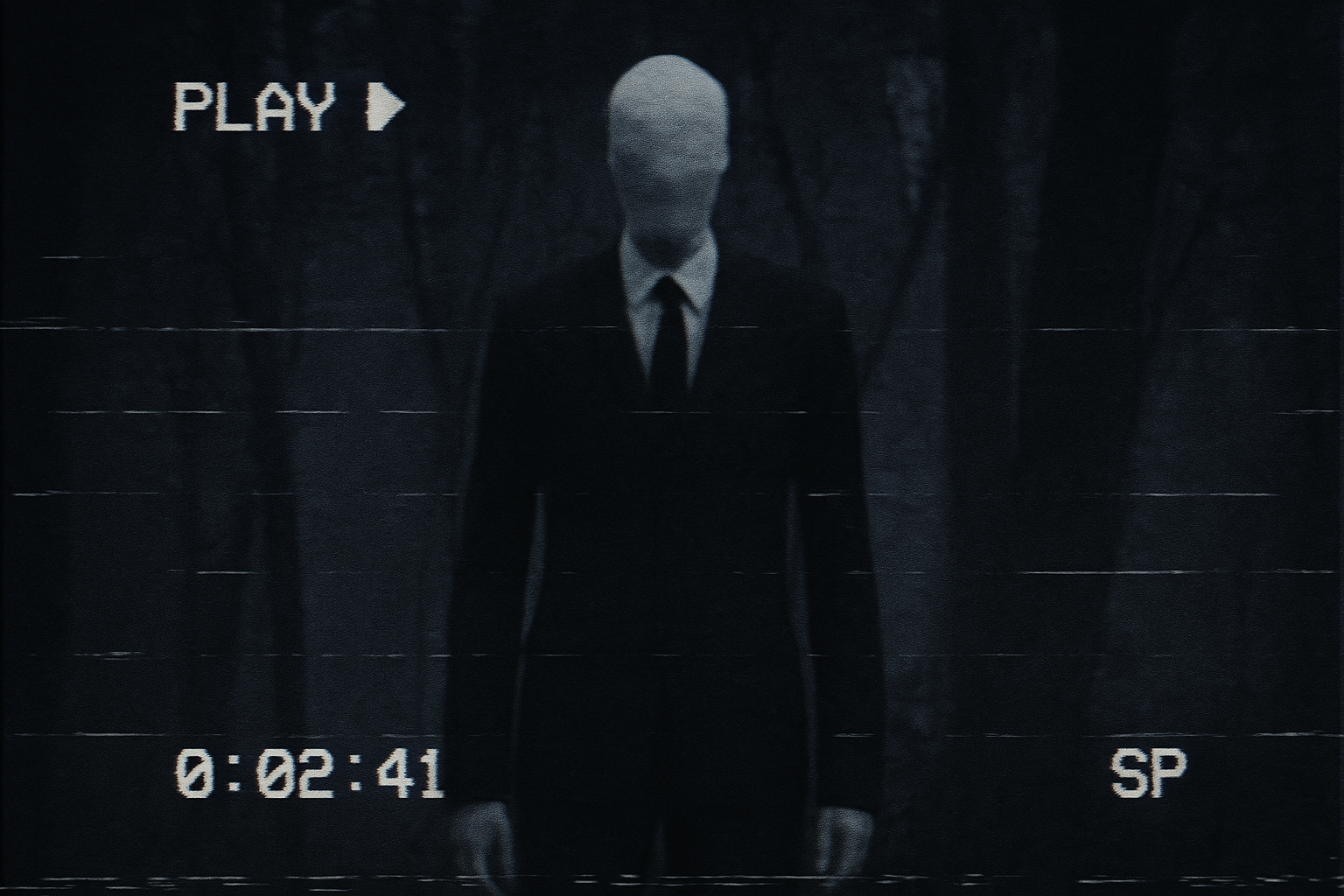
- Slender Man (2009): Created on the Something Awful forums, this faceless entity quickly transcended his origin, spawning games, artwork, and even real-life controversy.
- The Russian Sleep Experiment: An apocryphal tale of human endurance and madness that captivated readers with its graphic storytelling.
- Ben Drowned: A haunted cartridge ARG that combined textual narrative with creepy gameplay footage to tell its tale.
Table: Key Creepypasta Stories and Their Impact
| Story Title | Year | Origin Platform | Type | Legacy |
|---|---|---|---|---|
| Slender Man | 2009 | Something Awful | Mythos | Multiple games, film, IRL influence |
| The Russian Sleep Exp. | 2010 | Creepypasta Wiki | Psychological | Viral spread, myth status |
| Ben Drowned | 2010 | YouTube, 4chan | ARG/Video | Multi-platform ARG, fan analyses |
🎮 ARGs and Digital Immersion
Alternate Reality Games (ARGs) take Internet horror to another level by pulling viewers into the story itself. These narratives unfold across platforms—videos, websites, social media accounts—where participants decode clues, follow storylines, and often engage directly with the game world.
Marble Hornets (2009–2014): A YouTube series that built upon the Slender Man mythos, told through found footage-style updates with cryptic responses from other in-universe accounts like “totheark.” It was a watershed moment in interactive horror storytelling.
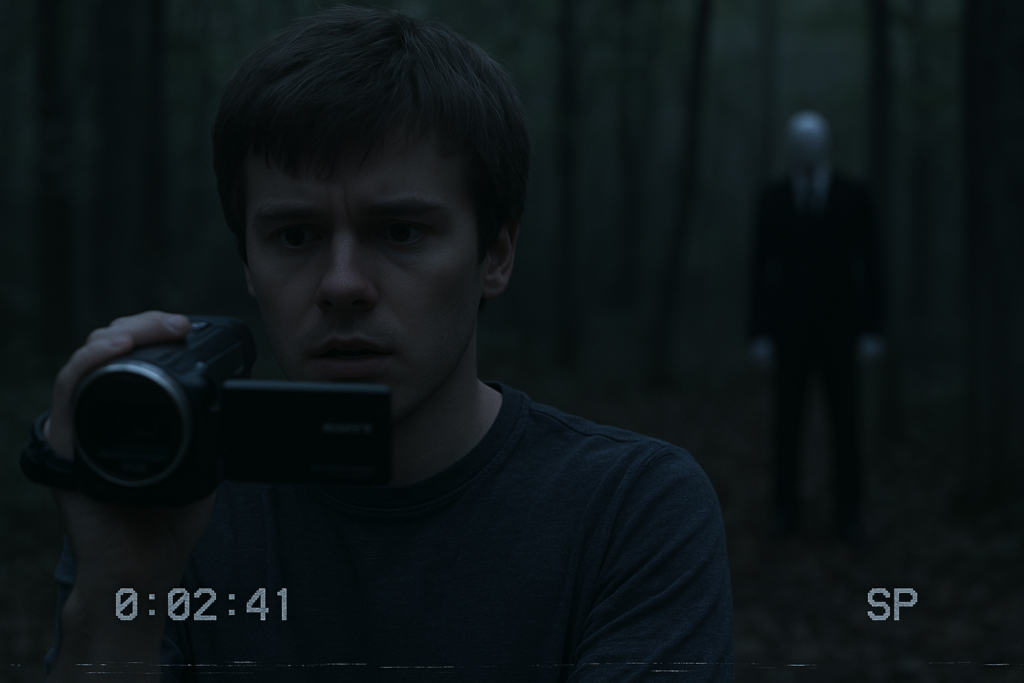
Local58 TV (2015–present): A horror anthology told through faux broadcasts from a local TV station. With themes of cosmic horror and media manipulation, it exemplifies “analog horror,” a subgenre that mimics retro aesthetics to amplify unease.
Chart: ARG Popularity and Engagement Over Time
Year        | ARG Title         | Active Participants | Video Views (YT)
------------|-------------------|---------------------|-----------------
2009        | Marble Hornets    | ~50,000             | >100 million
2010–2014   | Ben Drowned       | ~75,000             | >70 million
2015–2023   | Local58 TV        | ~150,000            | >50 million
🧠 Cultural Impact and Community Evolution
What makes Internet horror so uniquely unsettling is its participatory nature. Fans don’t just consume—they build. Creepypasta wikis, horror subreddits, SCP Foundation entries, and YouTube analog horror series are collaborative world-building projects that evolve with audience engagement.
SCP Foundation: A community-driven anthology of secure-contain-protect files describing supernatural entities. What began as a single post is now a universe of stories with thousands of entries and an active, global fanbase.
Reddit’s /r/nosleep: A subreddit where users post horror stories under the rule that “everything is true.” The best posts receive thousands of upvotes and sometimes lead to film or podcast adaptations.
💬 Digital Folklore: Virality and Vulnerability
Unlike books or films, digital horror thrives on uncertainty and temporal relevance. Many stories are designed to look real—blurring boundaries between fiction and fact through screenshots, fake news articles, doctored chat logs, and more. Its ephemerality adds to the terror. YouTube videos get deleted. Websites vanish. Accounts go silent. Was it all real?
Quote from Aja Romano, Vox culture writer:
“Internet horror functions as modern folklore. It’s passed from user to user, changing shape over time, but always reflecting the deeper anxieties of its era—be it technology, isolation, or surveillance.”
📊 Internet Horror Timeline: Milestones & Momentum
| Year | Event | Description |
|---|---|---|
| 2007 | First SCP Entry | Launched a structured mythos via wiki format |
| 2009 | Slender Man Created | Sparked a new wave of viral Internet mythos |
| 2012 | /r/nosleep Founded | Enabled horror storytelling through Reddit |
| 2014 | “Unedited Footage of a Bear” by Adult Swim | Satirical horror short—viral ARG masterpiece |
| 2020+ | Rise of TikTok Horror Accounts | Short-form analog horror with Gen Z aesthetics |
📚 References
- Romano, Aja. “Internet Horror and the New Digital Folklore.” Vox, 2020.
- “Marble Hornets Wiki.” Fandom. https://marblehornets.fandom.com
- SCP Foundation Main Site. http://scpwiki.com
- “Local58 TV.” YouTube Channel. https://www.youtube.com/@Local58TV
- Know Your Meme. “Creepypasta.” https://knowyourmeme.com/memes/creepypasta
🧩 Final Thoughts
Internet horror reflects a deeply modern type of fear—one that’s entangled with misinformation, isolation, and our relationship with technology.